

Property management keeps order. Leasing fills it.
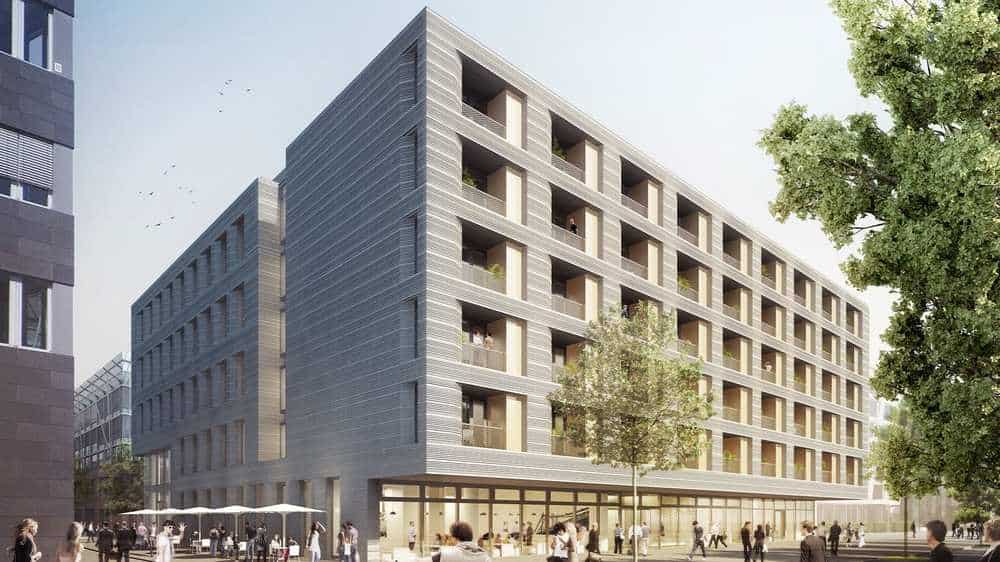
A few years ago, there was an apartment building near Frankfurt’s Ostbahnhof that was slow to lease, even with affordable rent. The average stay was six months, which meant roughly 500 to 600 new leases per year for about 300 units. A building can be well managed and still be stuck in exactly this cycle.
That is not a failure of property management. It is a question of roles, and one that is rarely asked.
WHAT PROPERTY MANAGEMENT IS BUILT FOR
Property management is focused on the existing asset: managing ongoing tenancies, billing costs, and keeping the building in good shape. Leasing is a secondary process. Post a listing, collect inquiries, do viewings when there is time. For long-term residential rentals, that is often enough.
For furnished apartments from six months, it is not enough, because this target group makes decisions differently. Project staff starting in Frankfurt in eight weeks. Young professionals with a job offer in Stuttgart and no address yet. Companies housing several people at the same time: at Eastside near Frankfurt’s Ostbahnhof, 45 percent of demand now comes from companies, and one corporate tenant alone now leases around 80 apartments there. These tenants compare options online and decide within days. That is why a fast, personal response is part of OneHaven’s leasing logic: speed affects utilization in this market.
WHAT HAPPENED TO THE BUILDING NEAR OSTBAHNHOF
The building from the beginning is now called Eastside, and it shows what happens when the roles are clear. After BelForm redesigned the concept and OneHaven took over leasing, utilization is between 95 and 99 percent, and the 276 units were leased three months ahead of schedule. The most noteworthy figure is another one: despite a rent increase of 30 to 40 percent compared with the previous concept, the average stay has nearly doubled. Residents stay longer even though they pay more, because the product works. What used to be 500 to 600 new leases per year is now a fraction of that, and every new lease avoided means vacancy avoided, marketing avoided, and handover avoided.
DRAWING A CLEAR LINE
A leasing partner does not replace property management, and anyone who says otherwise is selling you something. Operating costs, maintenance, and owner statements remain property management tasks. The leasing partner handles the stage before that: making units visible, qualifying prospects, signing leases from six months, and supporting the move-in.
A clear line also means assigning performance correctly. The higher rents at Ostbahnhof are first and foremost a product result, documented in the BelForm white paper Micro Living: 40 percent more base rent compared with the level before the refurbishment. Leasing then determines how quickly and how consistently those rents reach the market. Combining both into one number is imprecise.
WHO THIS FITS, AND WHO IT DOES NOT
OneHaven works with owners of apartment buildings with about 50 to 300 units in Frankfurt, Berlin, and Stuttgart. We do not broker individual condominiums. A specialized partner is only strong where its specialization applies, and we will tell you if your property is not a fit.
If your building fits this profile and vacancy or a slow initial lease-up is the issue, we will clarify the property, target rent, and timeline in the first conversation. After that, you will know whether this path makes sense for your building.