What turnover really costs your building
When people discuss the economics of apartment buildings, almost everyone looks at the vacancy rate. The more uncomfortable figure sits one line below and is often overlooked: the number of new leases per year. It determines how much of the nominal rent actually reaches the owner in the end.
THE CALCULATION THAT IS RARELY DONE
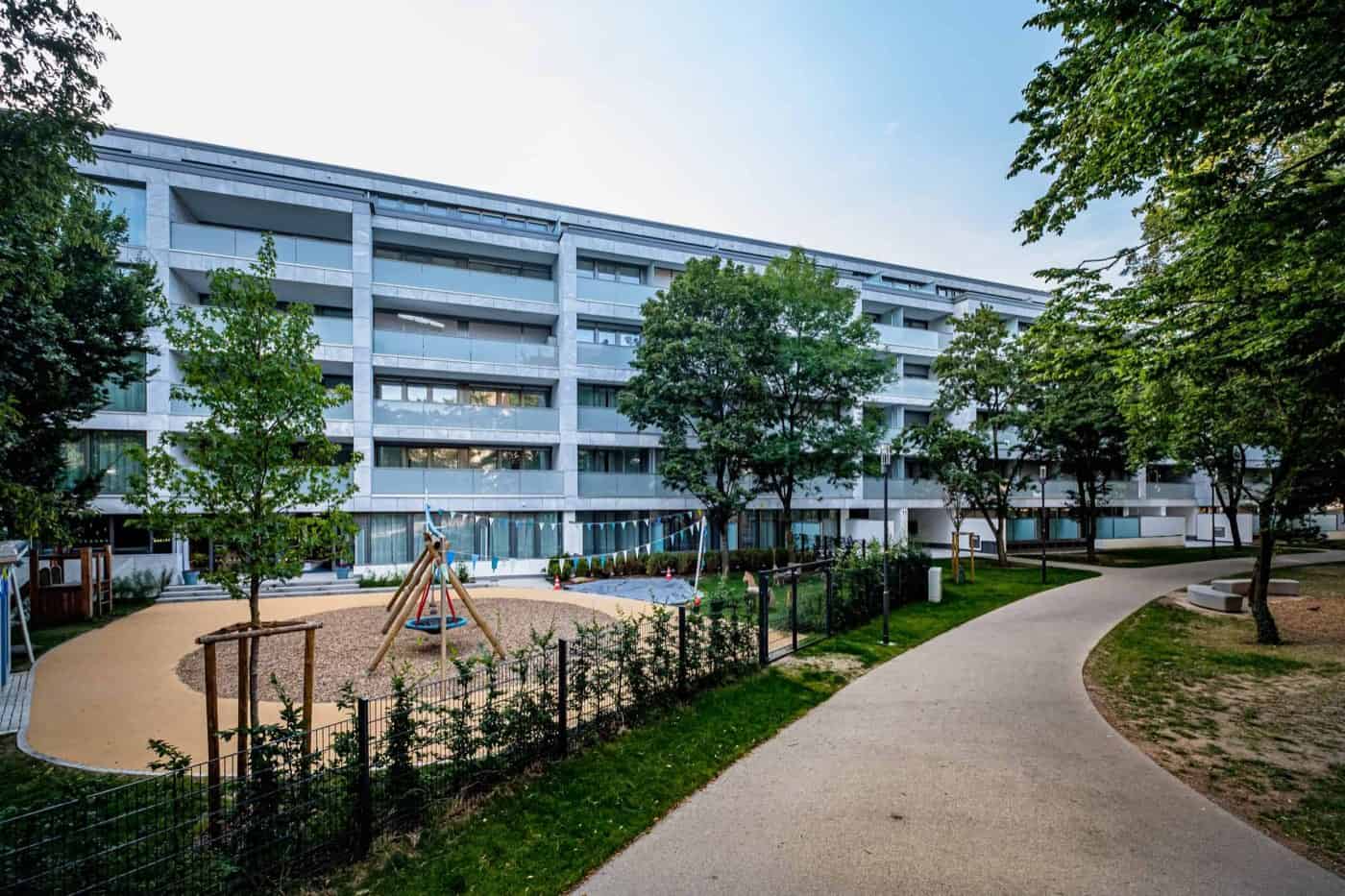
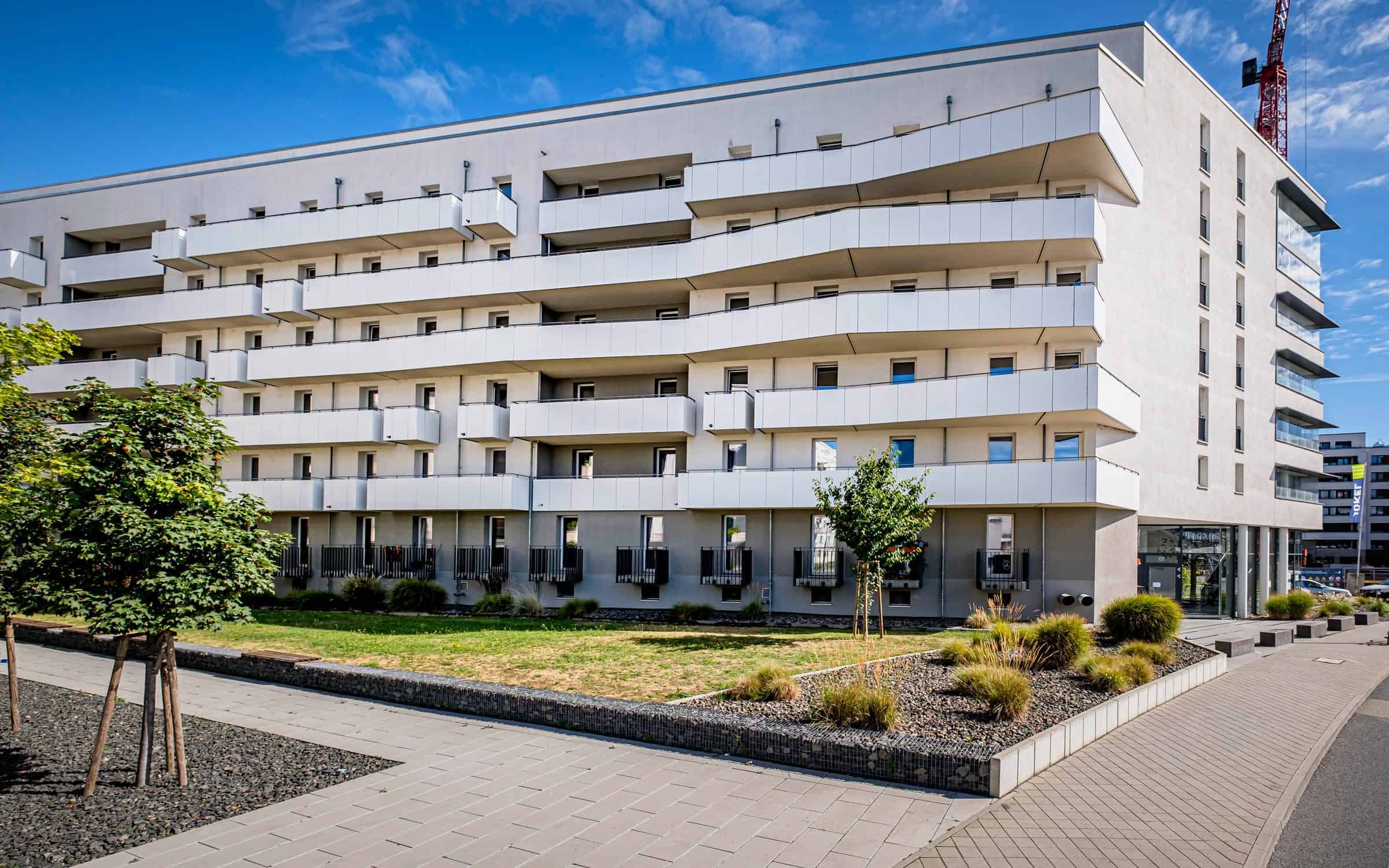
A real example from Frankfurt: the building at Ostbahnhof, now called Eastside, had around 300 units before its repositioning and an average stay of six months. At first, that sounds like a leasing metric, but above all it is a cost block: a six-month average stay across 300 units results, on paper, in up to 600 new leases per year. For the building, 500 to 600 were documented.
Each one triggers the same cascade: listing and marketing, handling inquiries and viewings, credit checks and contract work, handover, cleaning, minor maintenance and return. In between are vacancy days that do not appear in glossy projections, but they certainly show up in the annual statement. Multiply this cascade by 500, and you will see why two buildings with identical target rent can deliver completely different results. We deliberately do not name a flat euro amount per new lease. It depends on the building, furnishings and staffing. Use your own numbers, and the scale will become clear quickly. Turnover acts like an ongoing operating loss, except that most calculations do not give it its own line.
WHY FASTER RE-LEASING IS NOT ENOUGH
The reflexive response to these costs is: re-lease faster. That eases the symptoms while increasing the frequency of the same expensive cascade. The structural lever starts one level earlier: people stay longer when the product and support are right, and every extension avoids the entire cascade.
Eastside shows this lever in published figures: after the repositioning by BelForm and with OneHaven handling leasing, the average stay increased from around six months to nearly a year, despite rents being 30 to 40 percent higher, with utilization between 95 and 99 percent, as documented in the BelForm white paper Micro Living. Double the average stay means roughly half as many new leases per year. Marketing and handover effort decrease by the same measure, and the higher rent actually reaches the bottom line instead of being absorbed by turnover.
One side effect that is often overlooked in calculations: longer stays also change the tenant mix. At Eastside, 45 percent of demand now comes from companies. One corporate tenant leases around 80 apartments, a share that is deliberately monitored within the tenant mix to avoid dependence on a single customer. Corporate clients lease more predictably, pay reliably and extend when operations run well. They also come through referrals and direct outreach.
WHERE THE LIMITS ARE
Length of stay can’t be mandated, and not every building has the same potential as the Frankfurt example. Location, floor plans, and the building itself set limits, and a new concept is an investment that has to make financial sense before you decide to move forward. And if the numbers for your building are uncomfortable, that is not an argument against how you have managed it so far. This type of cost has its own line in very few standard calculations. The point is simpler: know your turnover costs before you discuss rent levels. Two numbers are enough for a first look: new rentals per year and average length of stay. If each unit averages more than one new rental per year, your building is losing money in a place no rent increase can recover.
THE NEXT STEP
Bring two numbers to the first conversation: new rentals per year and average length of stay. That will quickly show whether the potential impact for your building is large enough. OneHaven works with owners of furnished and unfurnished apartment buildings, typically 50 to 500 units. We are happy to review smaller or larger properties as well, in major cities and metropolitan regions across Germany, currently active in Frankfurt, Berlin, and Stuttgart. We do not broker individual condos, and if your property is not a fit, we will tell you that too.