

No apartment, no job: temporary housing as a starting point
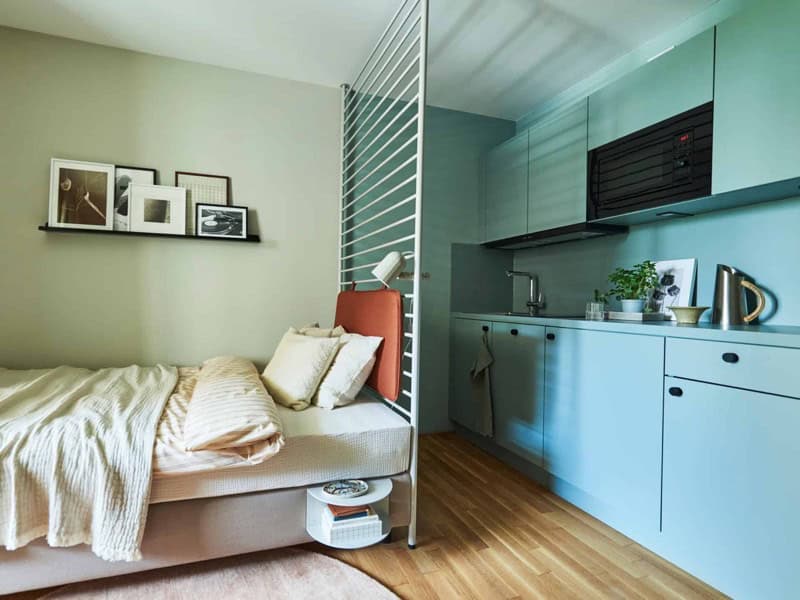
You got the offer. The contract is in your inbox, the start date is set, and between you and your first day of work is a city where you do not know anyone and do not have an apartment. Whether you can start the job now often depends less on the employment contract than on the apartment. And if the excitement about the new job is starting to feel more like pressure, that is a normal reaction to a deadline without a plan.
You are in good company: Two thirds of people living in temporary furnished apartments would not have been able to start their job without this option, according to studies by ifo and Prognos.
WHY THIS TYPE OF HOUSING EXISTS
There is a type of housing made for exactly this situation: available for your start date, fully furnished, with a contract and address registration, and easy to move out of when the project ends. Experts increasingly call it infrastructure for the labor market, but what matters to you is the practical part: without an apartment like this, your job start can fall apart.
The traditional rental market cannot provide that, and that is not a criticism. It is built for tenants who stay for years. If you have to start in March, you fall through the cracks. For your first year in a new city, you need a different tool.
IS TEMPORARY FURNISHED HOUSING EVEN ALLOWED?
People Google this question often, especially because there is so much discussion about regulation. The short answer: yes. Temporary furnished housing with OneHaven is a standard rental relationship, with a rental agreement, a landlord confirmation (Wohnungsgeberbestätigung) for the local citizens’ office, and address registration (Anmeldung). The difference from a traditional apartment is the furnishings and the minimum term of six months, not the legal framework.
The current regulatory debate is aimed mainly at short-term models and unclear flat rates. Neither applies here: from six months, you are living there, and every building clearly shows what the rent includes.
WHAT THIS MEANS FOR YOUR START
In practice, it means you do not have to solve the housing problem before the job problem. You can separate the two. A furnished apartment from six months gives you a registered address from day one, and almost everything else depends on that, from your tax ID to your bank account. It also gives you time: you get to know the city in everyday life before committing for years. And if you look for a traditional apartment after six or twelve months, you will do it with local knowledge and six months of German rental history.
It is also worth saying who this is not for: If you know the city, have time to search, and want to stay for ten years, a traditional unfurnished apartment will usually cost less. Temporary furnished housing is meant for the transition phase, and that phase eventually ends.
THE NEXT STEP
If you are in that transition phase right now: in Frankfurt, Berlin, and Stuttgart, you can find our buildings on the platform, from six months and with address registration. We have written two separate step-by-step blog articles on which documents you need for your inquiry and how registration works afterward.